Flooring for Allergy & Asthma Sufferers: Healthy Home Guide
Creating healthier indoor environments through flooring choices. What works best for allergy and asthma management in your home.
Quick Takeaways
- Hard flooring (LVT, tile, sealed wood) is generally easier for allergy management
- Regular cleaning is essential whatever flooring you choose
- Low-VOC products reduce chemical sensitivities and improve indoor air quality
- HEPA vacuuming is essential if keeping carpet in your home
- Individual sensitivities vary - what works for one person may not suit another
Flooring and Indoor Air Quality
For the millions of UK residents living with allergies and asthma, home environment significantly impacts symptoms. We spend approximately 90% of our time indoors, and indoor air quality directly affects respiratory health. Flooring choice plays an important role - it's the largest surface area in most rooms and can either harbour or facilitate removal of allergens.
This guide explores how flooring decisions affect indoor air quality and provides practical recommendations for creating healthier home environments.
Understanding Indoor Allergens
Common indoor allergens include:
- Dust mites: Microscopic creatures thriving in warm, humid environments. Their waste products are primary indoor allergens.
- Pet dander: Skin flakes from cats, dogs, and other pets.
- Mould spores: Particularly in damp areas or where flooring meets moisture.
- Pollen: Tracked indoors on shoes and clothing.
- VOCs: Chemical emissions from flooring products and adhesives.
Flooring affects how these allergens accumulate, persist, and become airborne.
Hard Flooring: The Default Recommendation
For allergy and asthma management, most medical guidance favours hard flooring. The reasoning:
- Allergens sit on the surface rather than embedding in fibres
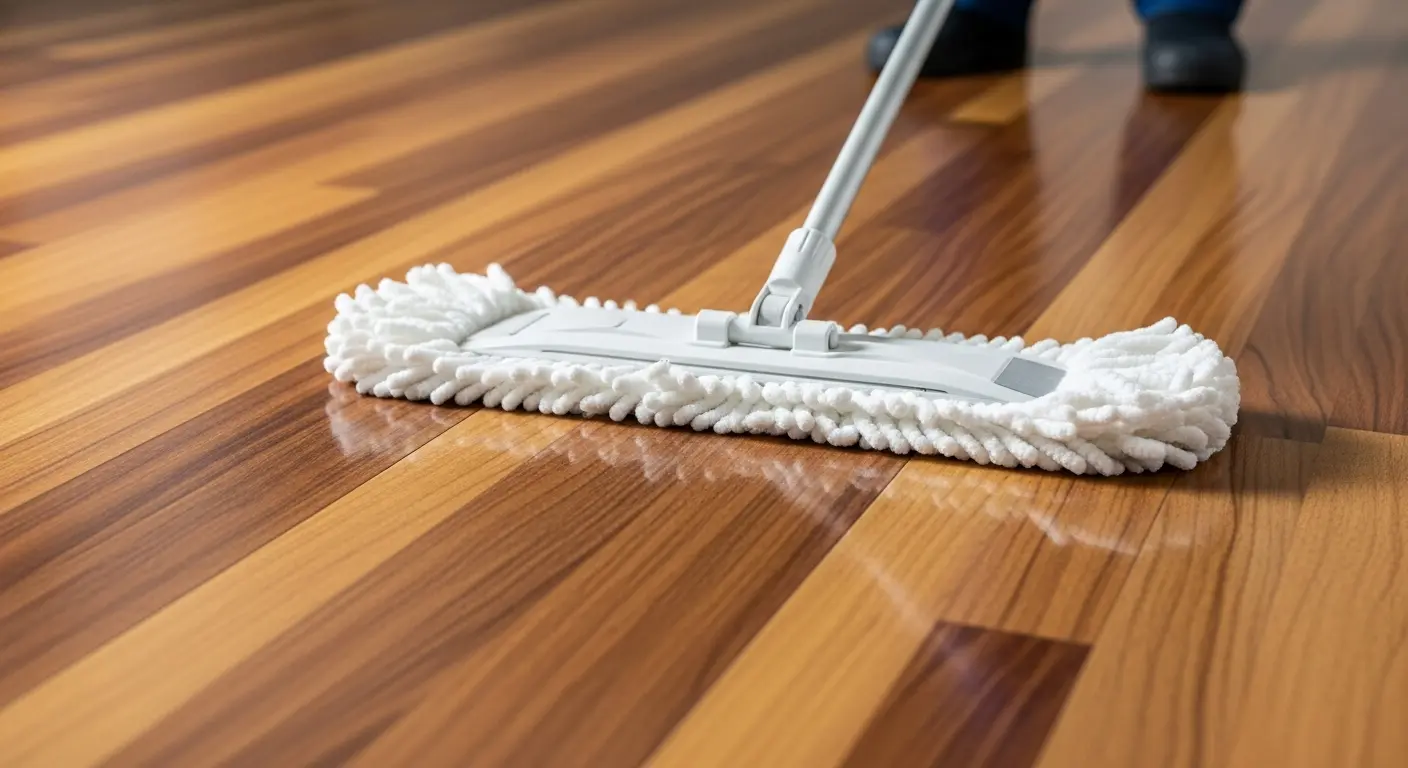
- Damp mopping removes particles thoroughly
- No harbour for dust mites to colonise
- Easier to maintain allergen-free zones
Best Hard Flooring Options
LVT (Luxury Vinyl Tile): Excellent choice for allergy sufferers. Smooth, sealed surface that cleans easily. Choose products with low-VOC certification to minimise off-gassing. Comfortable underfoot and quiet, unlike tile.
Porcelain/Ceramic Tile: Inherently hypoallergenic material. Very easy to clean thoroughly. Cold and hard underfoot - consider underfloor heating for comfort.
Sealed Wood/Engineered Wood: Properly sealed wood flooring provides cleanable surfaces. Ensure the finish is intact without cracks where allergens can accumulate. Regular recoating maintains protection.
The Carpet Question
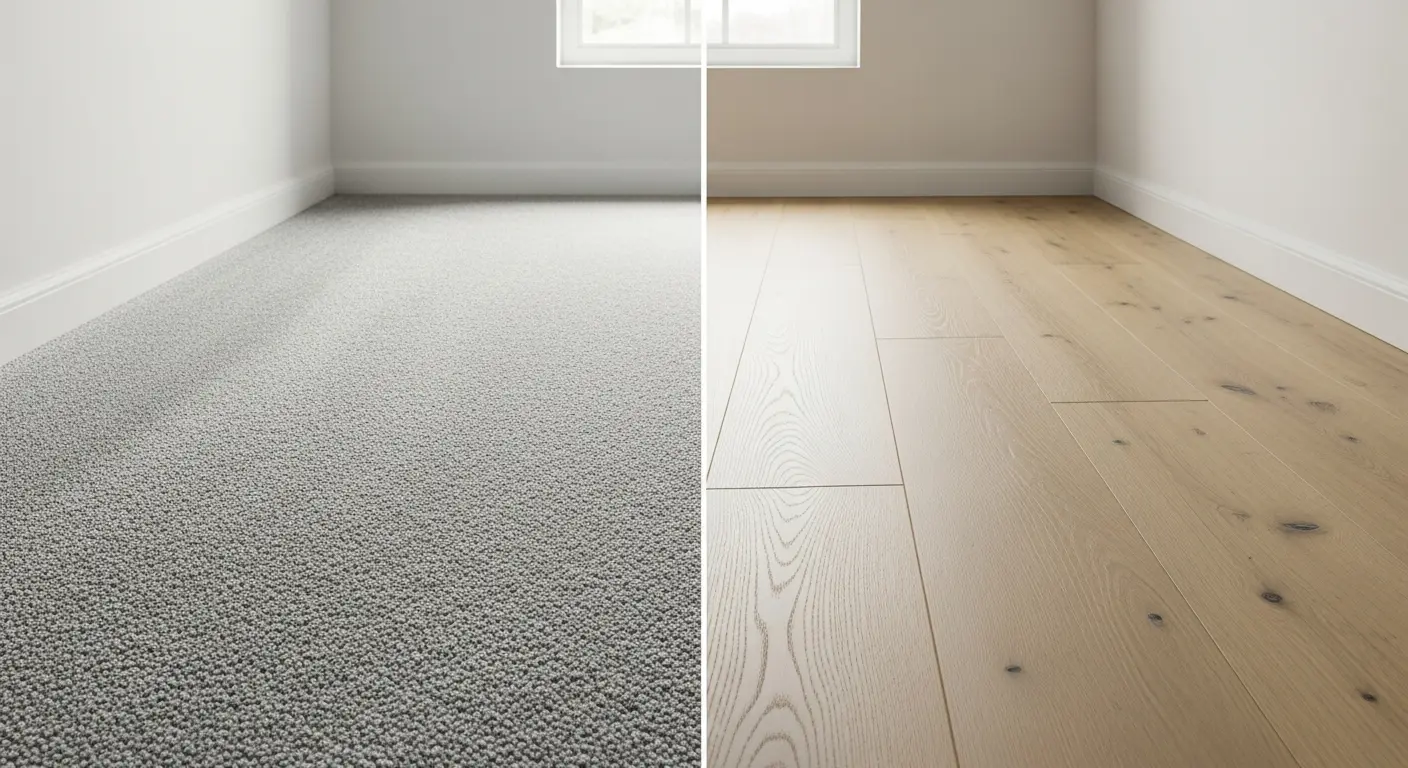
Carpet is often portrayed as problematic for allergy sufferers, but the reality is nuanced:
Arguments against carpet:
- Fibres trap and hold allergens
- Dust mites thrive in carpet environments
- Difficult to clean as thoroughly as hard surfaces
- Some synthetics emit VOCs
Arguments for carpet (with caveats):
- Carpet traps allergens, keeping them out of the breathing zone until cleaning
- Hard floors can result in allergens becoming airborne with every disturbance
- Low-pile, tightly woven carpet with regular HEPA vacuuming can be manageable
- Natural wool carpet has antimicrobial properties and doesn't emit VOCs
If you want carpet despite allergies, choose: low, dense pile; synthetic or wool fibres; products with allergy-friendly certifications; and commit to twice-weekly HEPA vacuuming.
VOCs and Chemical Sensitivity
New flooring products can emit volatile organic compounds, potentially triggering respiratory sensitivity. To minimise exposure:
- Choose products with FloorScore, GREENGUARD, or similar certifications
- Allow new flooring to off-gas before full occupation (ventilate well for first few days)
- Avoid installations during high-symptom seasons
- Request low-VOC adhesives and sealers
- Consider click-system installation that minimises adhesive use
Room-by-Room Considerations
Bedrooms
We spend 7-8 hours sleeping in bedrooms, making bedroom flooring particularly important for allergy sufferers. Hard flooring with washable rugs works well - the rug provides comfort while being removable for cleaning. Avoid bedroom carpet if possible, or choose low-pile synthetic options.
Living Areas
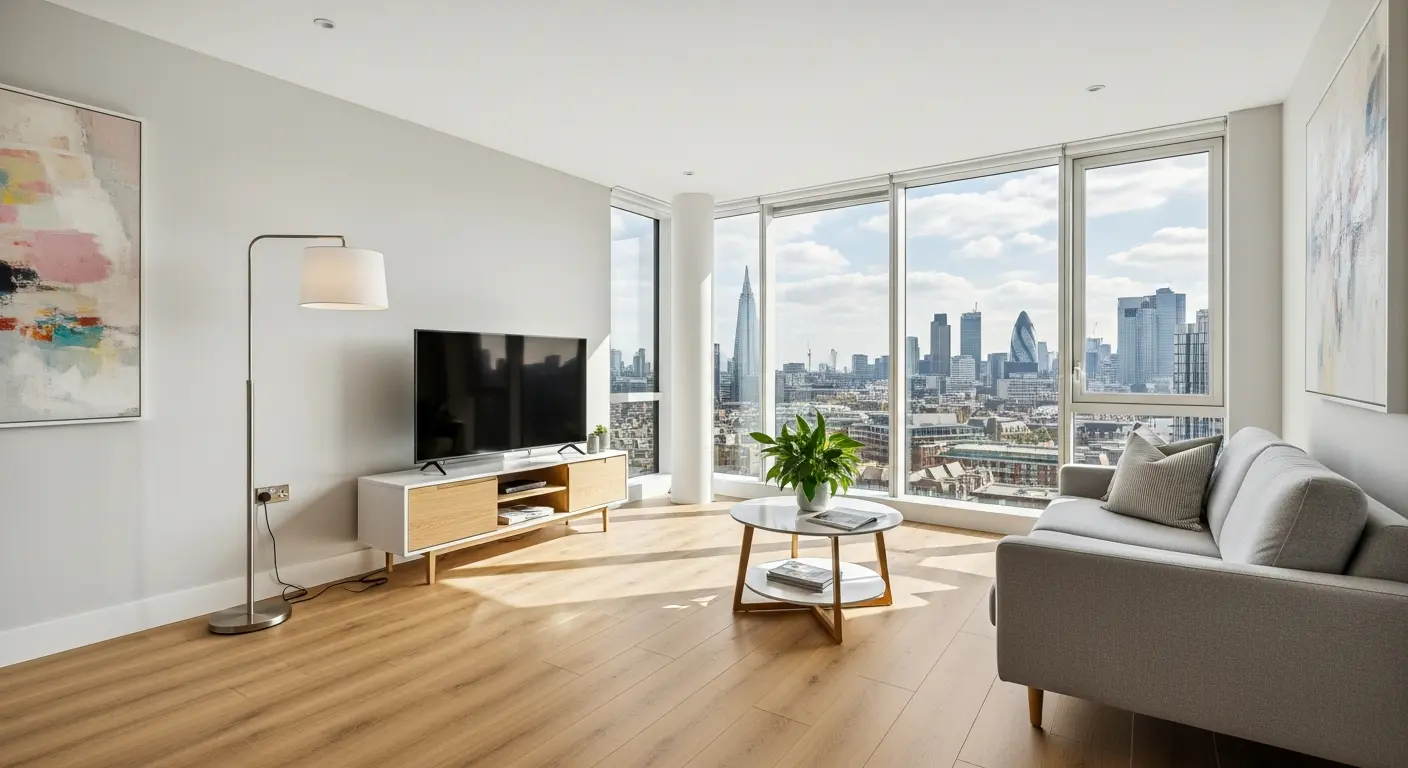
High-traffic living rooms benefit from hard flooring that's easy to clean. LVT or sealed wood can be softened with rugs in seating areas. If using rugs, wash or professionally clean them regularly to prevent allergen accumulation.
Kitchens and Bathrooms
These areas are prone to moisture, which encourages mould - a significant allergen. Waterproof flooring (LVT, tile, vinyl) is essential. Ensure grout is sealed and maintained. Clean regularly to prevent mould growth, especially around fixtures.
Cleaning Regimes for Allergy Management
Whatever flooring you choose, cleaning routine matters most:
- Daily: Light dust mopping of hard floors removes allergens before they become airborne
- Weekly: Damp mopping with appropriate cleaners (avoid heavily fragranced products)
- Weekly (if carpet): HEPA-filter vacuum at least twice weekly
- Seasonal: Deep clean carpets and rugs professionally
Invest in a quality HEPA vacuum cleaner - it makes significant difference to allergen removal compared to standard vacuums.
Conclusion
Hard flooring that's easy to clean thoroughly typically works best for allergy management, but individual circumstances matter. Consider your specific sensitivities, lifestyle, and cleaning commitment when choosing flooring. Consult medical advice for severe allergies, and don't assume carpet is impossible - properly managed, it can work. Whatever flooring you choose, regular cleaning with appropriate equipment makes the biggest difference to indoor air quality and symptom management.