Smart Home & Flooring: Integrating Technology Beneath Your Feet
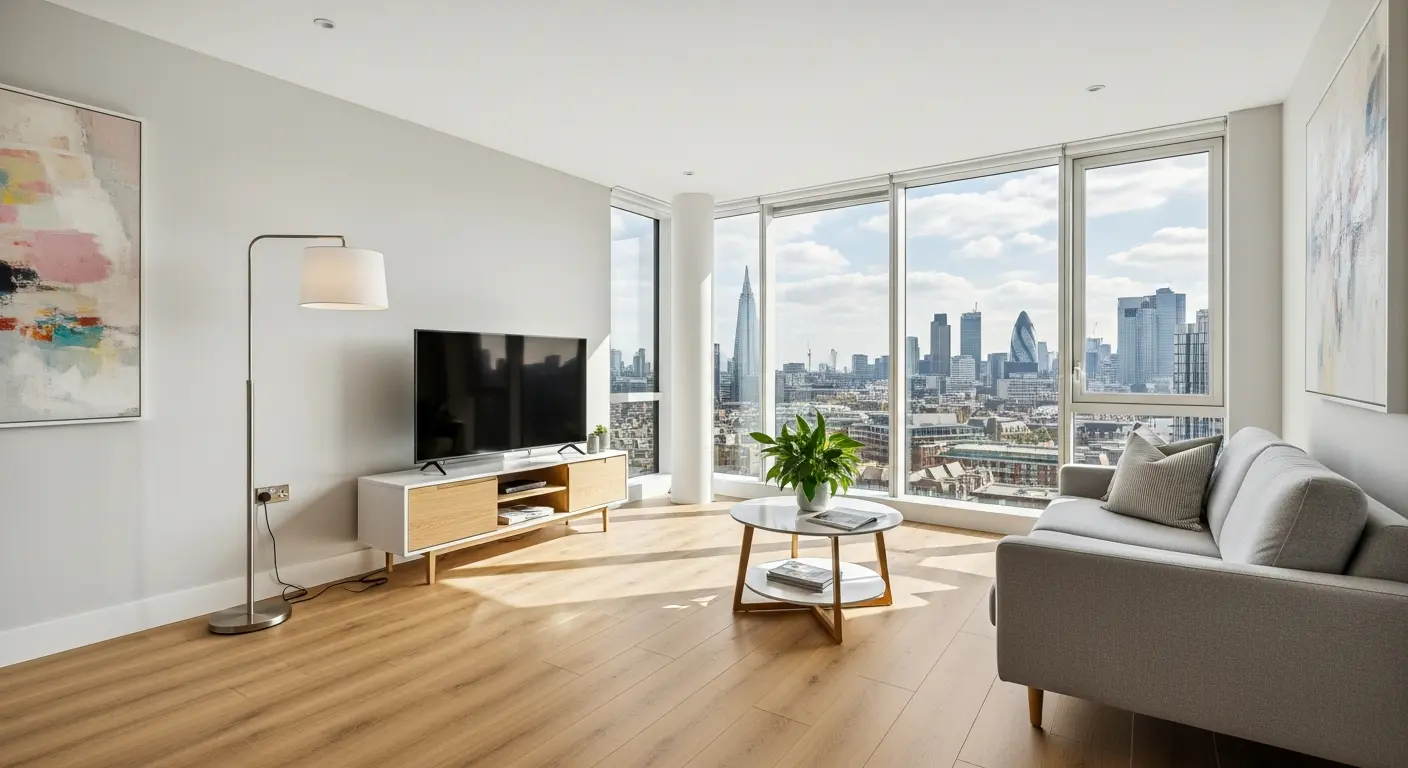
As homes get smarter, flooring becomes infrastructure. Sensor integration, cable management, and future-proofing your floor for technology.
Quick Takeaways
- Plan technology integration during renovation, not as afterthought
- Raised access flooring provides maximum cable flexibility
- Some smart systems use floor-based sensors for occupancy and safety
- UFH integrates with smart home platforms for automated comfort
- Future-proofing adds value even if not immediately utilized
Flooring as Infrastructure
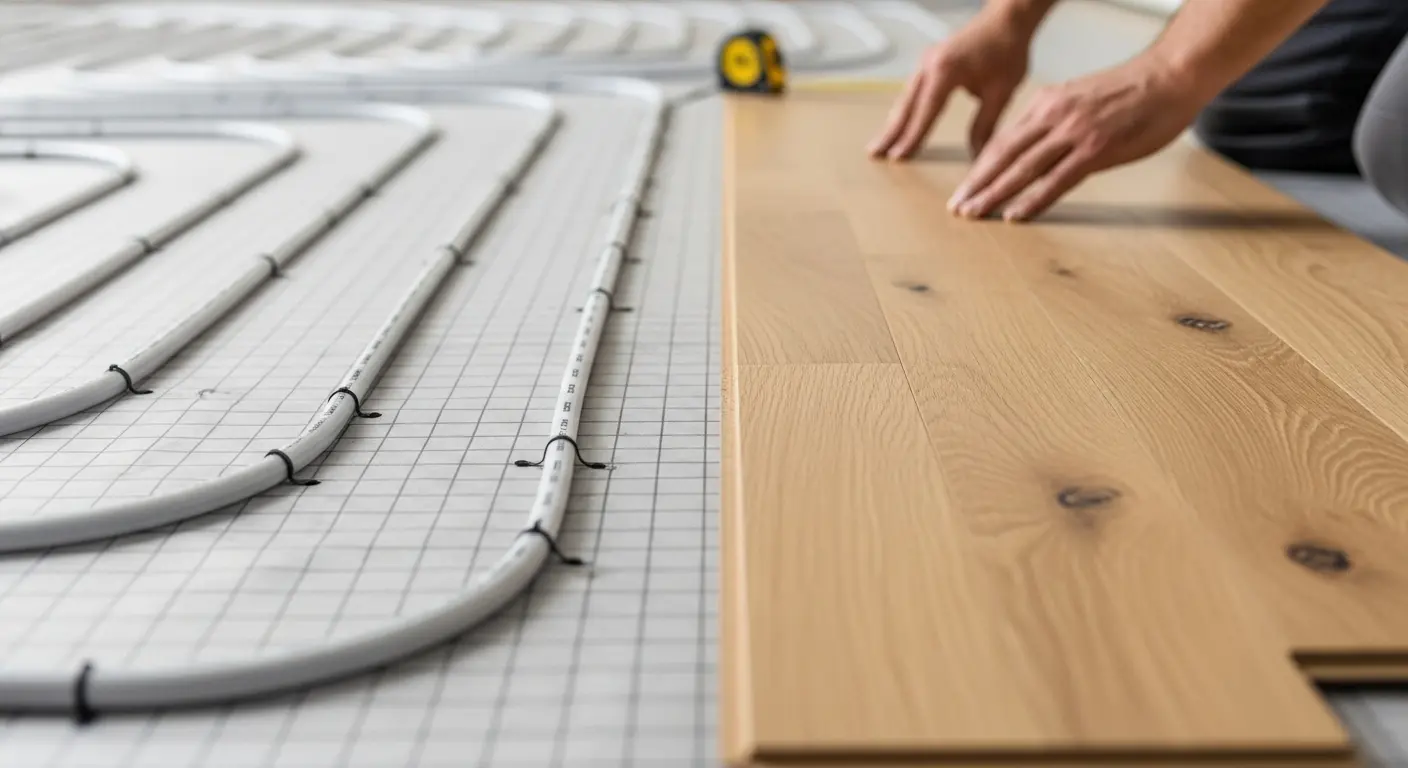
Modern smart homes run on invisible infrastructure - cables, sensors, and systems concealed within the building fabric. As homes get smarter, flooring increasingly becomes part of this infrastructure rather than just a finish material.
Whether you're building a fully automated home or simply future-proofing for technology you might add later, considering these systems during flooring decisions prevents disruptive retrofitting.
Cable Management Options
Raised Access Flooring
Originally commercial technology, raised access floors are increasingly used in high-end residential projects. Pedestal supports create a void beneath finished flooring where cables, pipes, and services run freely. Benefits include:
- Complete flexibility for cable routing and changes
- Access for maintenance and upgrades without floor removal
- Integration of audio, data, power, and heating in one system
- Professional aesthetic with no visible cable runs
Height build-up (typically 50-150mm) requires planning into floor-to-ceiling heights.
Underfloor Trunking
For conventional floor construction, underfloor trunking provides cable routes:
- Metal or plastic channels embedded in screed
- Routes from data cupboards to outlets
- Floor boxes provide access points
- Less flexible than raised floor but more affordable
Future-Proofing Without Immediate Technology
Even if you're not installing smart home systems now, consider installing empty conduits during renovation. Routes from main service locations to key rooms allow future cabling without floor disruption.
Floor-Based Sensors
Occupancy Detection
Pressure-sensitive mats or sensors beneath flooring can detect presence and movement. Applications include:
- Automated lighting as you enter rooms
- Security systems detecting intruders
- Elderly care monitoring - fall detection, activity patterns
- HVAC efficiency - heating/cooling only occupied zones
Integration Requirements
Floor sensors work best when planned into construction:
- Sensor mats beneath hard flooring (LVT, tile, wood)
- Wired connection to smart home hub
- Professional installation and calibration
- Flooring must not insulate sensors from pressure detection
Smart Underfloor Heating
UFH naturally integrates with smart home systems:
- Zoned control: Different temperatures in different rooms
- Smart thermostats: Learning schedules, remote control, voice commands
- Efficiency optimisation: AI-driven heating based on occupancy patterns
- Integration: Works with platforms like Alexa, Google Home, Apple HomeKit
Flooring affects heating efficiency - thin, conductive materials (tile, LVT) work best. Ensure products are rated for UFH use.
Audio Integration
Multi-room audio systems can include:
- In-floor subwoofers (bass resonates through floor structure)
- Cable routing for distributed speakers
- Acoustic treatment considering floor surface
Plan cable routes during flooring installation rather than retrofitting.
Lighting Integration
Automated lighting increasingly includes floor-level elements:
- LED floor strips: Ambient lighting integrated into skirting or floor edges
- Stair lighting: Automated step illumination for safety
- Motion-triggered paths: Nighttime lighting activated by floor sensors
- Mood lighting zones: Floor-level lighting defining room areas
These require planning during flooring installation - conduits and connections need positioning before floors are laid.
Security System Integration
Floor-based security elements include:
- Pressure-sensitive mats detecting intruders
- Hidden cable routes for security camera power
- Safe room flooring with reinforced substructures
- Panic room floor access and sealing
High-security residential projects increasingly consider flooring as part of overall security infrastructure.
Electric Vehicle Integration
Home EV charging creates new flooring considerations:
- Garage flooring must handle vehicle weight and potential fluid spills
- Cable routes from power supply to charging points
- Integrated charging points in garage floor construction
- Oil-resistant, durable surfaces for modern garage environments
Planning Ahead
Integrating smart home technology during construction is far simpler and less disruptive than retrofitting later:
- Planning: Minimal additional design effort
- Empty conduits: Straightforward to include during construction
- Raised access flooring: Maximum flexibility for technology integration
- Retrofit later: Often requires floor removal, which is highly disruptive
For technology-forward homeowners, future-proofing during renovation delivers excellent long-term value. Contact Yazco on 020 7224 8876 to discuss your project.
Conclusion
As homes get smarter, flooring becomes part of the infrastructure. Planning technology needs alongside flooring choices creates cleaner, more capable installations. Whether you're building a fully automated home or just keeping options open, considering smart integration during renovation prevents disruptive future work. Work with flooring and smart home specialists together to ensure seamless integration.