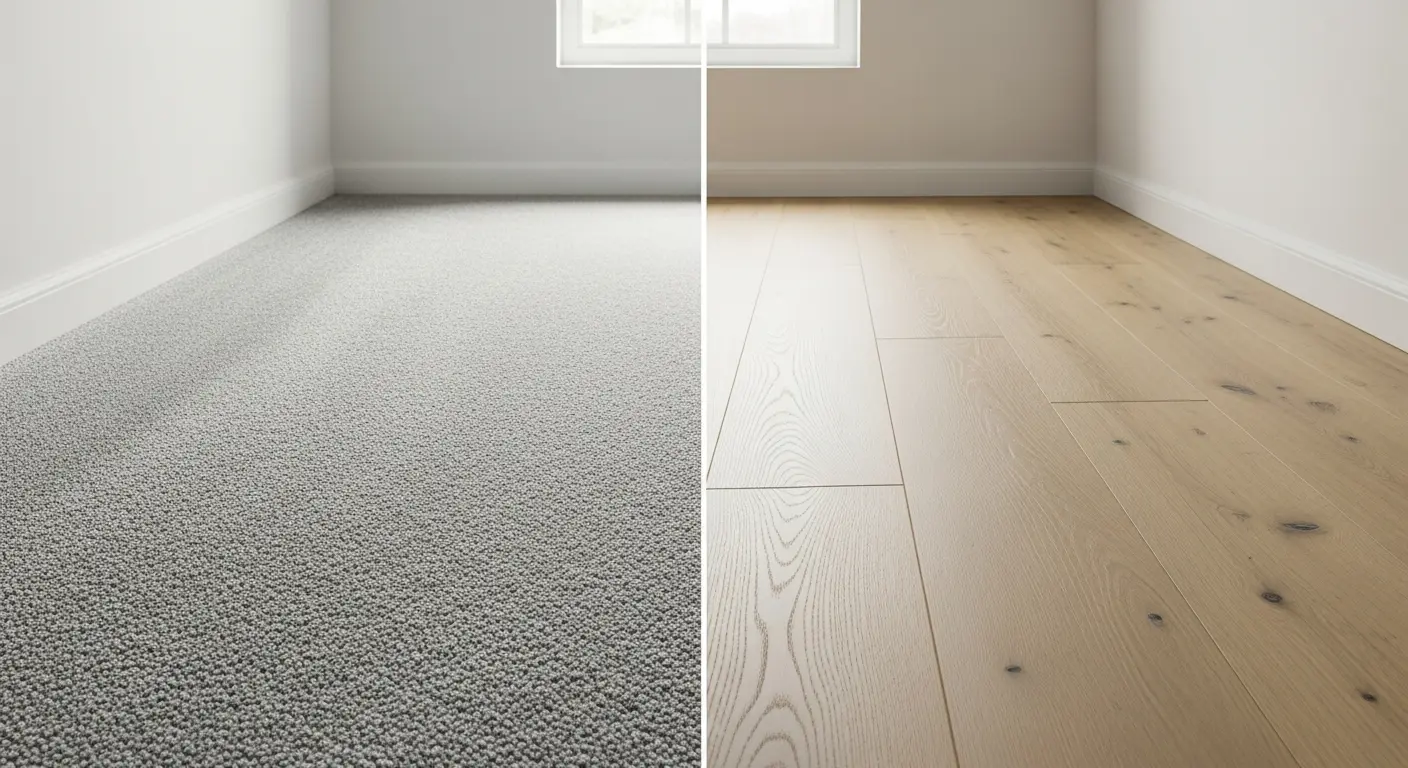
Kitchen Flooring: Best Choices for London Homes
Your kitchen floor works harder than any other. Spills, foot traffic, dropped pans - it needs to handle everything while looking great.
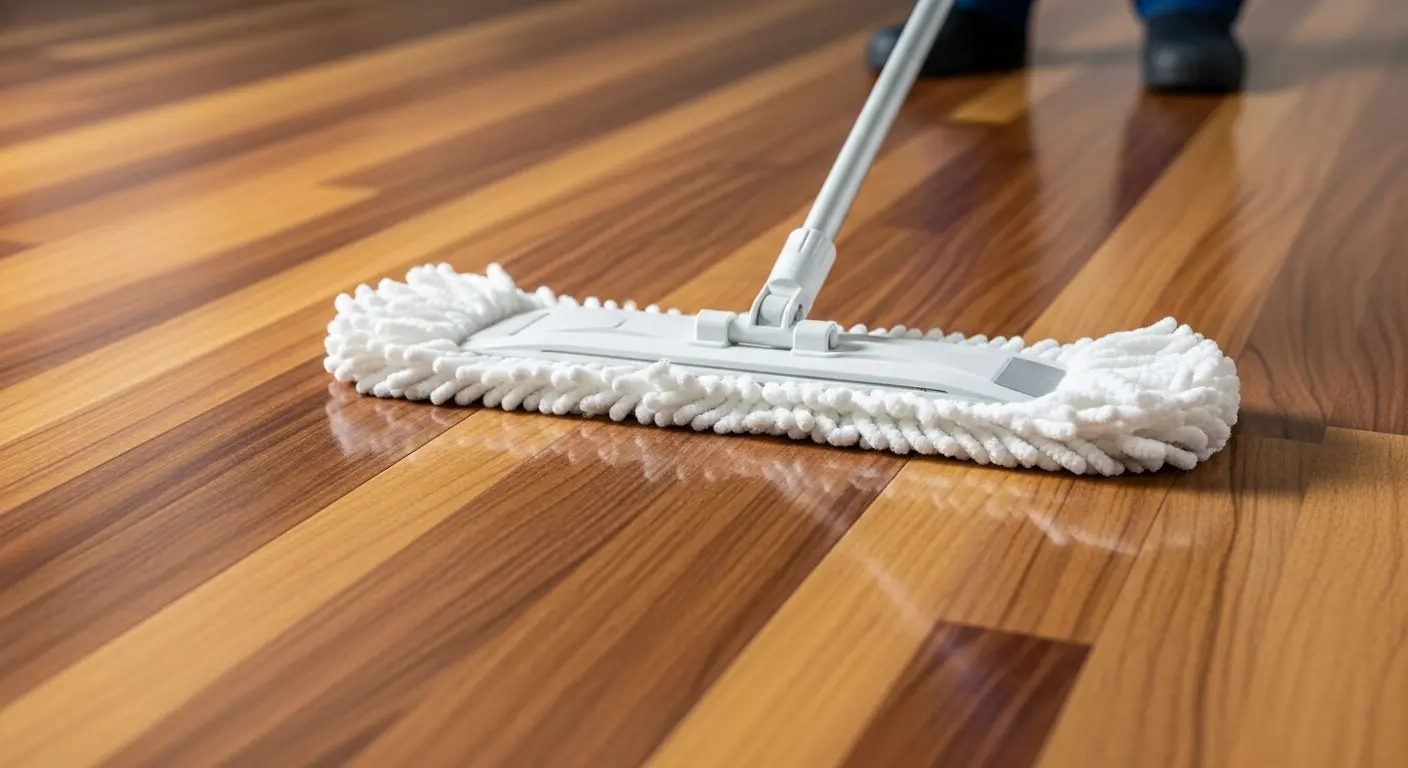
Quick Takeaways
- Waterproof flooring is essential - LVT or tile preferred
- Consider comfort for standing and cooking
- Coordinate with open-plan living areas
- Anti-slip properties matter for safety
- Avoid laminate - water resistance isn't enough for kitchens
Kitchen Flooring Demands
Kitchens are the heart of London homes - and they're tough on floors. Water splashes, dropped utensils, heavy foot traffic, spills of everything from oil to red wine. Your kitchen floor needs to handle it all while looking good enough for the open-plan living that defines modern London homes.
Best Kitchen Flooring Options
Luxury Vinyl Tile (LVT)
Our top recommendation for most London kitchens:
- Completely waterproof - handles any spill
- Comfortable for standing and cooking
- Excellent stone and wood effects
- Flows seamlessly into living areas
- Easy to clean and maintain
Porcelain Tiles
The maximum-durability choice:
- Incredibly hard-wearing
- Completely waterproof
- Beautiful natural stone effects available
- Works with underfloor heating
Kitchen Flooring in London Flats and Open-Plan Spaces
Many London kitchens are part of an open-plan living space, especially in converted flats and new builds. In that case, the kitchen floor is also the living room floor, so it needs to look good across a large area as well as cope with spills. Luxury vinyl tile (LVT) is the most popular choice here: it is water-resistant, warm underfoot and available in realistic wood and stone designs, so one floor can run from the kitchen into the living area without a change of material.
If you prefer real wood, engineered oak with a hard-wearing lacquer can work in an open-plan kitchen, as long as spills are wiped up promptly and a mat is used at the sink. Solid wood is less forgiving of moisture and temperature changes, so we rarely recommend it next to a kitchen sink.
Underfloor Heating in Kitchens
Kitchens and kitchen extensions are where underfloor heating is most common in London homes. LVT and engineered wood both work well over underfloor heating when products approved for it are chosen and fitted correctly. Laminate can also be suitable, but check the manufacturer's guidance. Tell us about your heating system when we measure, and we will recommend compatible flooring and underlay. Our underfloor heating guide explains this in more detail.
Practical Details That Make a Difference
- Fit under or around units? In a new kitchen, flooring is often fitted before the units for a cleaner finish; when replacing a floor in an existing kitchen, it is usually fitted up to the plinths. We will advise which suits your project.
- Appliances: leave space to pull out the dishwasher and washing machine, and check the floor height will not stop them sliding back in.
- Thresholds: where the kitchen meets a hallway or carpeted room, a neat threshold strip protects the edge of both floors.
- Subfloor: kitchens in older London homes often have uneven boards. Levelling or over-boarding first prevents LVT from showing every bump.
Choosing for Your Budget
There is a good kitchen floor at every price point. Quality laminate and everyday LVT ranges are practical and hard-wearing; premium LVT from brands such as Karndean and Amtico offers more designs, thicker wear layers and longer warranties. We will show you options across the range and explain the real differences, so you can choose with confidence. See our vinyl and LVT page for more.
Conclusion
Kitchen flooring must prioritise practicality. Waterproofing isn't optional. Durability matters for this high-traffic space. LVT offers the best balance for most London kitchens - waterproof, comfortable, attractive, and seamlessly extending into open-plan living areas.