Vinyl Flooring: The Complete UK Homeowner's Guide
Everything you need to know about vinyl flooring in 2025. Types, installation methods, maintenance, and how to choose the right product for your home.
Quick Takeaways
- Modern LVT is not your grandmother's vinyl - it's sophisticated, durable, and attractive
- 100% waterproof - perfect for any room including bathrooms and kitchens
- Warmer and softer underfoot than tile or laminate
- Three main types: sheet vinyl, LVT, and rigid-core SPC
- Quality varies hugely - wear layer thickness is the key specification
The Vinyl Renaissance
If you're picturing the peel-and-stick tiles from 1980s kitchens, think again. Modern vinyl flooring - particularly luxury vinyl tile (LVT) - has become one of the most popular flooring choices in the UK. It offers authentic stone and wood aesthetics with practical benefits that natural materials can't match.
Having installed vinyl flooring across London for over a decade, from basement conversions in Chelsea to entire apartment blocks in Stratford, we've seen the technology improve dramatically. Today's premium vinyl rivals the aesthetics of engineered wood while offering practical advantages that make it particularly suited to modern living.
Types of Vinyl Flooring
Sheet Vinyl
Traditional vinyl in wide rolls (2-4 metres). Still used in commercial settings and standard domestic applications. Relatively thin (2-3mm), fully adhered to subfloor, and available in countless patterns. A versatile vinyl option that requires professional installation for invisible seaming.
Luxury Vinyl Tile (LVT) - Glue Down
Individual tiles or planks (typically 2-3mm thick) adhered directly to a prepared subfloor. Offers realistic textures, bevelled edges, and varied plank sizes. The original premium vinyl format, still preferred for commercial applications due to minimal height build-up. Requires perfect subfloor preparation.
Click-Lock LVT / Rigid Core (SPC/WPC)
The most popular choice for homes. Individual planks or tiles with interlocking edges that click together. Thicker (4-8mm) with rigid core for stability. More forgiving of subfloor imperfections. Available with integrated underlay. Can be installed DIY or professionally.
Understanding Quality: What to Look For
Wear Layer Thickness
The wear layer is the transparent top coating that protects against scratches, stains, and wear. It's the single most important specification:
- 0.2-0.3mm: Light residential - bedrooms only, minimal traffic
- 0.3-0.5mm: General residential - living rooms, hallways
- 0.5-0.7mm: Heavy residential / light commercial - recommended for most homes
- 0.7mm+: Commercial - offices, retail, hospitality
For London homes with regular foot traffic, we recommend 0.5mm minimum. The wear layer is not repairable - once worn through, the floor needs replacing.
Core Construction
SPC (Stone Polymer Composite): Dense, rigid core made from limestone and PVC. Very stable, temperature resistant, and dent resistant. Feels firmer underfoot. Better for areas with direct sunlight or temperature fluctuations.
WPC (Wood Polymer Composite): Slightly softer core with better sound absorption. Warmer and more comfortable underfoot. More susceptible to denting from heavy furniture.
Surface Treatments
Premium products feature additional surface treatments:
- Ceramic bead coating: Enhanced scratch resistance
- UV-cured finish: Better stain resistance
- Anti-slip treatment: Important for bathrooms and wet areas
- Registered embossing: Texture aligned with printed grain for realistic look
Installation Methods
Floating Installation (Click-Lock)
Planks interlock and 'float' over an underlay, not attached to the subfloor. Ideal for DIY, allows for expansion/contraction, and enables future removal if needed. Requires expansion gaps around perimeters (typically 8-10mm) covered by skirting or beading.
Glue-Down Installation
Tiles or planks adhered directly to the subfloor using vinyl adhesive. Provides the most stable installation with no hollow feeling. Essential for commercial applications and areas with heavy furniture. Requires perfect subfloor preparation (BS 8203 compliance) including smoothness within 3mm per 2m and appropriate moisture content.
Loose-Lay Installation
Heavier-backed vinyl that lies flat without adhesive, held in place by friction and weight. Used primarily in large commercial spaces where quick replacement is needed. Some domestic products available but less common.
Room-by-Room Recommendations
Kitchens
Vinyl's water resistance makes it perfect for kitchens. Choose SPC core for temperature stability near ovens. Consider stone or tile effects for traditional kitchens; wood effects for contemporary open-plan spaces. Ensure R10 slip rating or higher.
Bathrooms
Vinyl is excellent for bathrooms but details matter. Use silicone sealant around edges, sanitary fittings, and where floor meets walls. Choose textured surfaces for wet-floor safety. Glue-down installation recommended to prevent water ingress at edges.
Living Areas
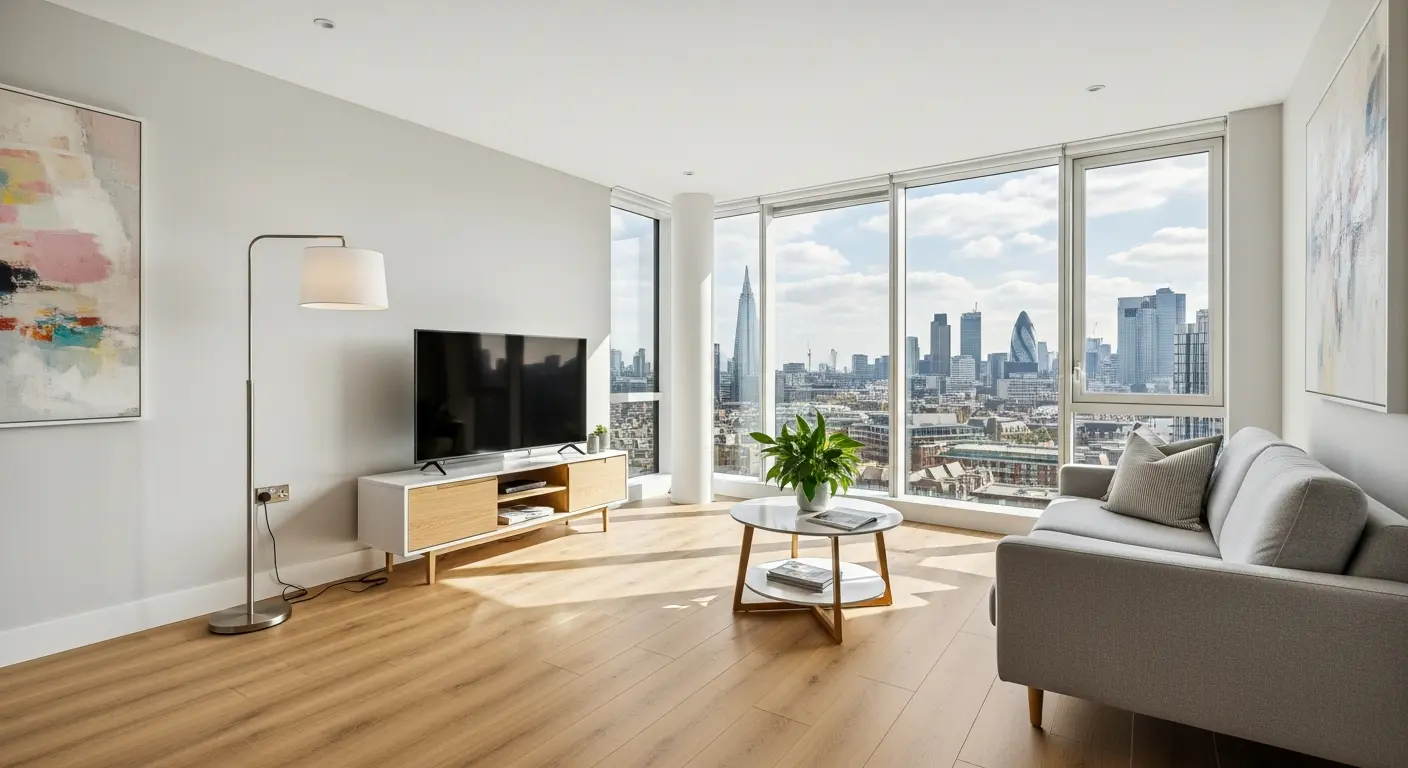
Wide-plank wood effects are most popular for living rooms. Consider products with registered embossing for realistic texture. Warmer WPC cores feel more comfortable for rooms where you'll spend time without shoes. Integrate underlay for additional acoustic comfort.
Hallways and Stairs
High-traffic areas demand high-quality vinyl with 0.5mm+ wear layers. Herringbone and parquet patterns are on-trend. Stairs require individual installation of each tread/riser - a specialist skill best left to professionals.
Maintenance Guide
Vinyl is low-maintenance but not no-maintenance:
Daily/Weekly
- Sweep or vacuum to remove grit (the main cause of scratches)
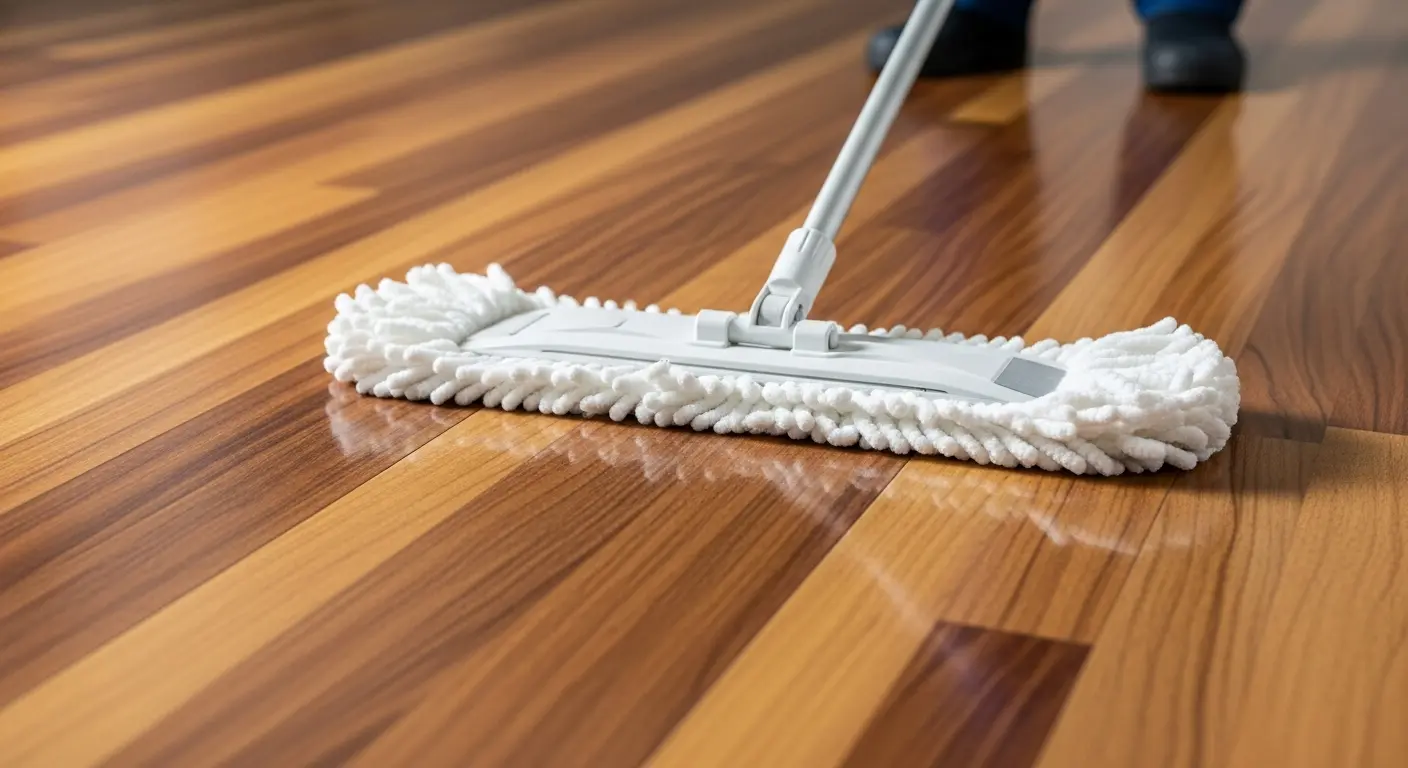
- Damp mop with pH-neutral floor cleaner
- Wipe spills promptly
Avoid
- Steam mops (can affect adhesives and surface treatments)
- Abrasive cleaners or scourers
- Rubber-backed mats (can cause discolouration)
- Dragging furniture (use felt pads)
Get a Free Quote
Vinyl flooring is available in a wide range of qualities and specifications, from click-LVT to well-known brands like Karndean and Amtico, as well as bespoke designer options. Contact Yazco on 020 7224 8876 for a free, no-obligation quote tailored to your project.
Conclusion
Modern vinyl flooring offers a compelling combination of aesthetics, practicality, and value. For London homeowners dealing with wet rooms, underfloor heating, or busy households, it's often the smartest choice. Focus on quality products with appropriate wear layers, ensure professional installation for best results, and enjoy a floor that looks great for decades with minimal maintenance.